Transportation & Logistics
Turn Logistics Complexity into Faster Execution and Measurable Operational Impact
HYPE helps transportation and logistics organizations capture frontline improvement ideas, reduce operational bottlenecks, scale best practices, and track execution across hubs, terminals, fleets, warehouses, routes, and business units.
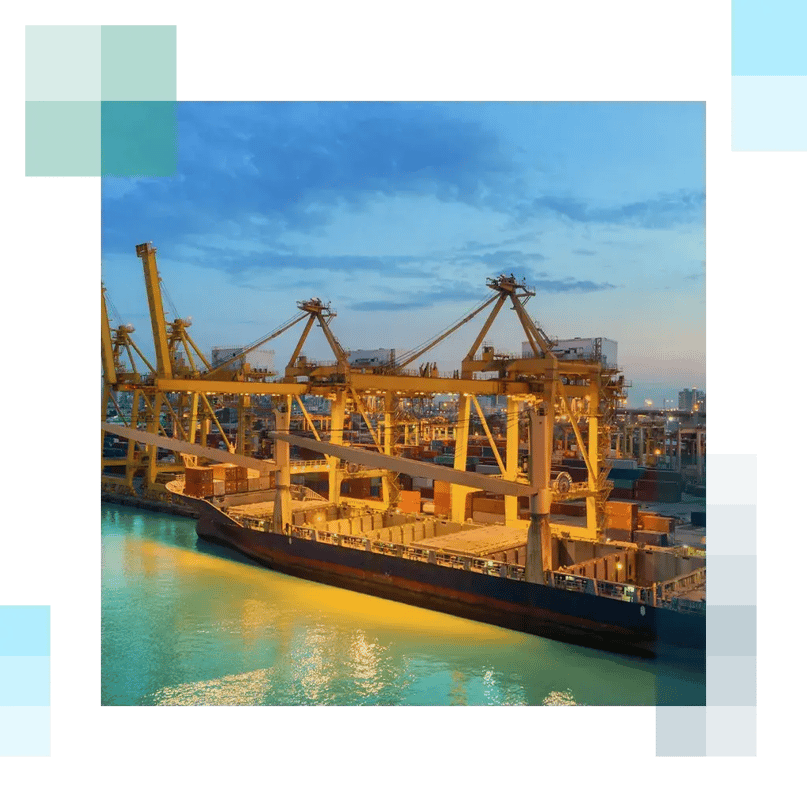





The Reality of the Industry
Transportation and Logistics Operations Depend on Fast Coordination Across Distributed Networks
In transportation and logistics, cost leaks where coordination breaks. Delays, route disruptions, underused assets, rising labor costs, and network complexity all hit performance directly.
Your frontline sees it first. Drivers, dispatchers, warehouse and terminal teams, planners, and maintenance crews know exactly where handoffs stall, routes create friction, and processes fail.
But those improvement ideas get trapped in spreadsheets, emails, and local tools. So the best opportunities never get prioritized, coordinated, or scaled across the network.
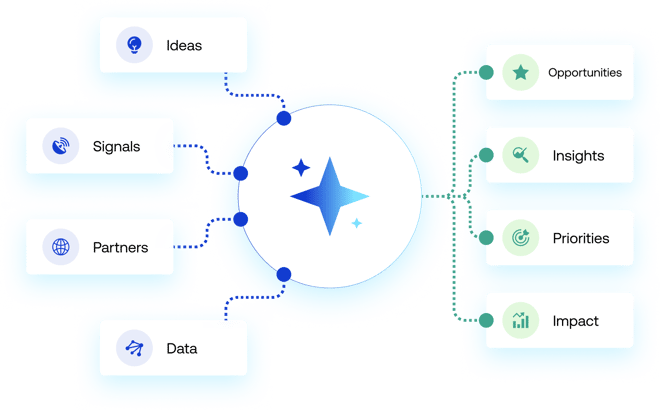
HYPE gives you one system to capture external signals, frontline ideas, prioritize high-impact initiatives, track execution, and measure savings across your entire operation.
-1.png?width=660&height=706&name=Untitled%20design%20(18)-1.png)
Common Challenges
- Improvement initiatives are fragmented across hubs, terminals, fleets, warehouses, regions, and business units.
- Frontline operational insights are not consistently captured or acted on.
- Best practices are slow to replicate across locations and teams.
- Leaders lack visibility into ownership, progress, blockers, implementation status, and measurable outcomes.
- Continuous improvement programs are hard to scale across distributed teams and high-volume operations.

How HYPE Helps Transportation & Logistics Organizations
1. Capture frontline & operational opportunities
Collect frontline ideas, operational bottlenecks, cost-saving opportunities, safety suggestions, and service improvements in one system. Run targeted efforts around route efficiency, maintenance, sustainability, automation, and operational excellence — so every high-value idea lands in the same place, from drivers and warehouse staff to planning and customer service.
2. Evaluate operational impact & feasibility
Assess each idea against operational impact, feasibility, risk, expected savings, and strategic fit. Clear criteria, expert input, and AI-driven review help leaders separate high-return improvements from low-value activity before resources are committed.
3. Prioritize high-value initiatives
Compare initiatives across sites, fleets, and business units against business goals and available resources. Focus investment on the improvements with the strongest savings potential and service impact — and stop funding work you can't measure.
4. Develop actionable improvement plans
Turn selected ideas into execution-ready initiatives with clear ownership, business cases, and supporting evidence. Stage-gate workflows guide each one from concept to execution while keeping cost, safety, and operational risk in check.
5. Implement and prove impact
Move approved initiatives into action and coordinate delivery across operations, maintenance, planning, logistics, warehouse, customer service, finance, HR, and leadership in one transparent workflow. Track owners, milestones, blockers, and status across every location. Measure savings, productivity gains, and service improvements — then scale proven results across hubs, fleets, terminals, warehouses, routes, and regions.
From Insights to Measurable Business Impact
Leading transportation and logistic organizations use HYPE to solve real business challenges — from reducing costs and improving efficiency to accelerating growth, engaging employees, and improving operational execution.

AI Support
AI Support for Faster Evaluation and Operational Insight Discovery
HYPE uses AI-supported capabilities to help transportation and logistics teams analyze large volumes of ideas, issues, initiatives, and employees' input more efficiently.
AI can support:
- Pattern recognition across frontline input and recurring operational themes
- Smart routing to relevant reviewers, experts, or operational owners
- AI-supported evaluation workflows to support faster prioritization
- Duplicate and similarity detection across ideas, bottlenecks, and recurring issues
- AI-supported reporting and insight discovery across locations, campaigns, and portfolios
AI helps teams reduce manual work while keeping people in control of evaluation, prioritization, governance, and final decisions.
Connect Logistics Improvement, Execution, and Measurable Impact in One System
Increase frontline participation, reduce operational bottlenecks, scale best practices, and track measurable improvement across transportation and logistics networks.